The Unhived Mind Home

Category

Westminster

22 articles

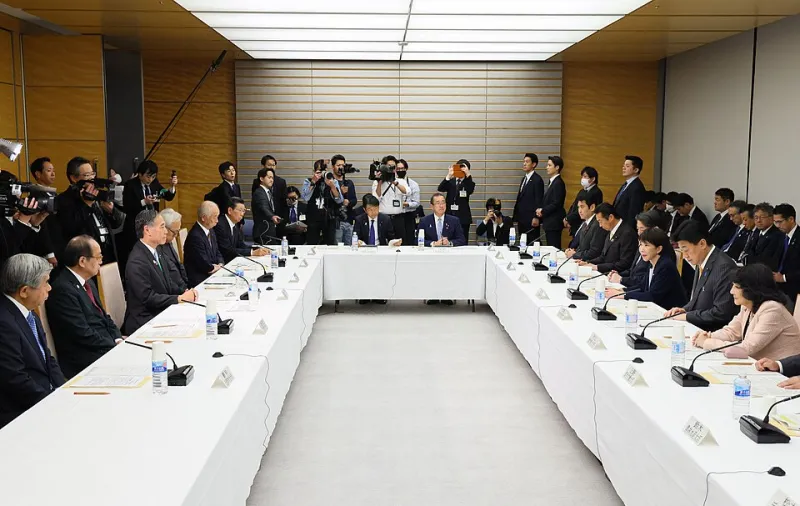
The Corridor Quorum: How Britain Settles Public Business Before the Room Fills

The Corridor Quorum: How Britain Settles Public Business Before the Room Fills

Britain’s formal committees still meet, vote and minute their proceedings, but the decisive conversations often happen earlier — in pre-briefings, bilateral chats and the quiet margins of civic life. This essay argues that the pre-meeting has become a parallel institution, and that the humble formal meeting deserves defending as the place where politics should actually happen.

Before the First Seminar: Britain’s Universities and the Bureaucracy of Foreknowledge

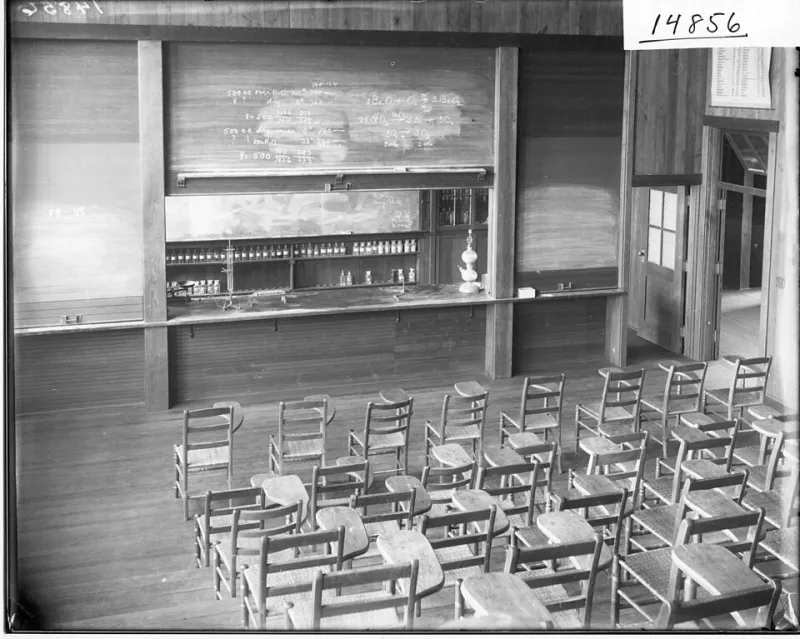
Before the First Seminar: Britain’s Universities and the Bureaucracy of Foreknowledge

Every British undergraduate now receives a module handbook that describes, in advance, what they will learn, how they will be assessed and what the intended outcome of each hour will be. This is presented as quality assurance. It is better understood as a political settlement — one that makes the mind legible to regulators and consumers while quietly demoting everything that cannot be tabulated.

The Unattributed Chamber: Britain's Second House of Anonymous Sources

The Unattributed Chamber: Britain's Second House of Anonymous Sources

Ministerial resignations are now trailed in Monday columns before they are tendered, and Budget measures are settled in unattributed briefings weeks before the red box is opened. Britain has quietly acquired a second chamber — one that sits in newspaper diaries, deliberates in WhatsApp groups and records nothing at all.

The Envelope Clause: Britain’s Constitution by Correspondence

The Envelope Clause: Britain’s Constitution by Correspondence

Britain has long governed through statute, convention and the occasional ministerial direction. In 2026, a fourth instrument is doing more work than any of them: the private letter exchanged between departments, regulators and arm’s-length bodies. The side letter is now where consent is manufactured, funding is promised and awkward questions are parked — and almost nobody outside the loop can read it.

The Clock Without a Strike: Britain’s Renewal Ritual and the Permanent Exception

The Clock Without a Strike: Britain’s Renewal Ritual and the Permanent Exception

Britain’s temporary powers are renewed so routinely that the sunset clause has become a formality. The renewal vote is a confidence motion in the executive, not a judgment on the power. A country that governs by expiry date it never intends to honour has quietly abolished the distinction between the exceptional and the normal.

The Ninety-Minute Legislature: Britain’s Habit of Governing by Instrument

The Ninety-Minute Legislature: Britain’s Habit of Governing by Instrument

Statutory instruments now outnumber Acts of Parliament by roughly a hundred to one, yet the committee that considers them sits for ninety minutes, cannot amend a comma and is attended by whoever the whips can spare. The contrarian point is not that ministers have seized the pen — it is that the House keeps handing it over, and rather cheerfully.

The Sample Electorate: How Westminster Outsourced Persuasion to the Panel

The Sample Electorate: How Westminster Outsourced Persuasion to the Panel

Focus groups were designed as an instrument of political craft; they have quietly become an arbiter of political truth. Both main parties now govern as though Britain were a permanent floating voter to be soothed, while the older arts of argument, advocacy and persuasion are outsourced to the viewing room.

The Standing Exception: How Britain Learned to Govern by Historic Occasion

The Standing Exception: How Britain Learned to Govern by Historic Occasion

Ministers in 2026 reach for 'once-in-a-generation' with the regularity of a verbal tic. The phrase flatters urgency while shielding decisions from the ordinary tests of cost, sequence and reversibility. This essay argues that the most radical move available to Westminster is to treat the present as normal.

The Ratification Room: Cabinet Government and the Disappearing Decision

The Ratification Room: Cabinet Government and the Disappearing Decision

Cabinet still meets, minutes are still taken and collective responsibility is still invoked. But the machinery now often ratifies decisions taken elsewhere — in a smaller court of advisers, communicators and personal brands. This essay asks whether Britain can restore a functioning cabinet system without pretending the media age never happened.

The Franchise Model: How Britain’s Parties Traded Members for Metrics

The Franchise Model: How Britain’s Parties Traded Members for Metrics

Britain’s main parties once relied on dense local associations and actual branch meetings; today they function as centralised brands with supporters, donors and data. The hollowing-out of member politics is rarely treated as a cause of volatility — yet it helps explain why campaigning feels lonely and accountability has thinned.

The Soft-Launch State: Britain’s Government by Provisional Announcement

The Soft-Launch State: Britain’s Government by Provisional Announcement

Budget measures, ministerial statements and policy reversals now arrive first as leaks, trial balloons or briefings to favoured outlets. This is less a Westminster malfunction than a governing method: it softens scrutiny, samples reaction and leaves Parliament to ratify what has already been launched. The question is what accountability means when the news breaks before the decision.

The Borrowed Seal: Britain’s Arm’s-Length State and the Government Nobody Owns

The Borrowed Seal: Britain’s Arm’s-Length State and the Government Nobody Owns

Britain’s default way of governing is increasingly indirect: boards, trusts, regulators and commissioners exercise public power at a remove. This essay argues that the arm’s-length state is not a technical footnote but a political architecture — one that disperses responsibility as effectively as it disperses authority.

The Paper Parliament: Why Britain Keeps Asking and Never Decides

The Paper Parliament: Why Britain Keeps Asking and Never Decides

Consultation has become the governing art of modern Britain: a machinery that produces the appearance of listening without the inconvenience of a decision. From planning applications to NHS reconfiguration, the feedback form now sits where argument once sat — and ministers count the clicks as consent.

The Verdict That Never Comes: Britain’s Habit of Investigating Itself

The Verdict That Never Comes: Britain’s Habit of Investigating Itself

When a scandal breaks, the machinery of state reaches for a familiar instrument: the independent inquiry. This essay argues that the inquiry has become less a route to truth than a method of postponement, and proposes a blunt test for telling the difference between a problem that needs hearing and one that needs deciding.

The Middle Ground Is a Hive: Against Britain's Cult of the Sensible Centre

To be called 'sensible' in British politics is not to be right; it is to be house-trained. This essay argues that the centrist swarm — the cross-party consensus that congratulates itself on moderation — is often the most effective guardian of the status quo, and that genuine contrarianism in 2026 means refusing the frame rather than halving the difference.

Five Westminster Assumptions That Need Unhiving in 2026

Five Westminster Assumptions That Need Unhiving in 2026

Westminster politics runs on a set of comfortable assumptions that are rarely examined in public. This contrarian audit pairs five consensus claims with alternative readings of the evidence and questions voters can put directly to their MP.